
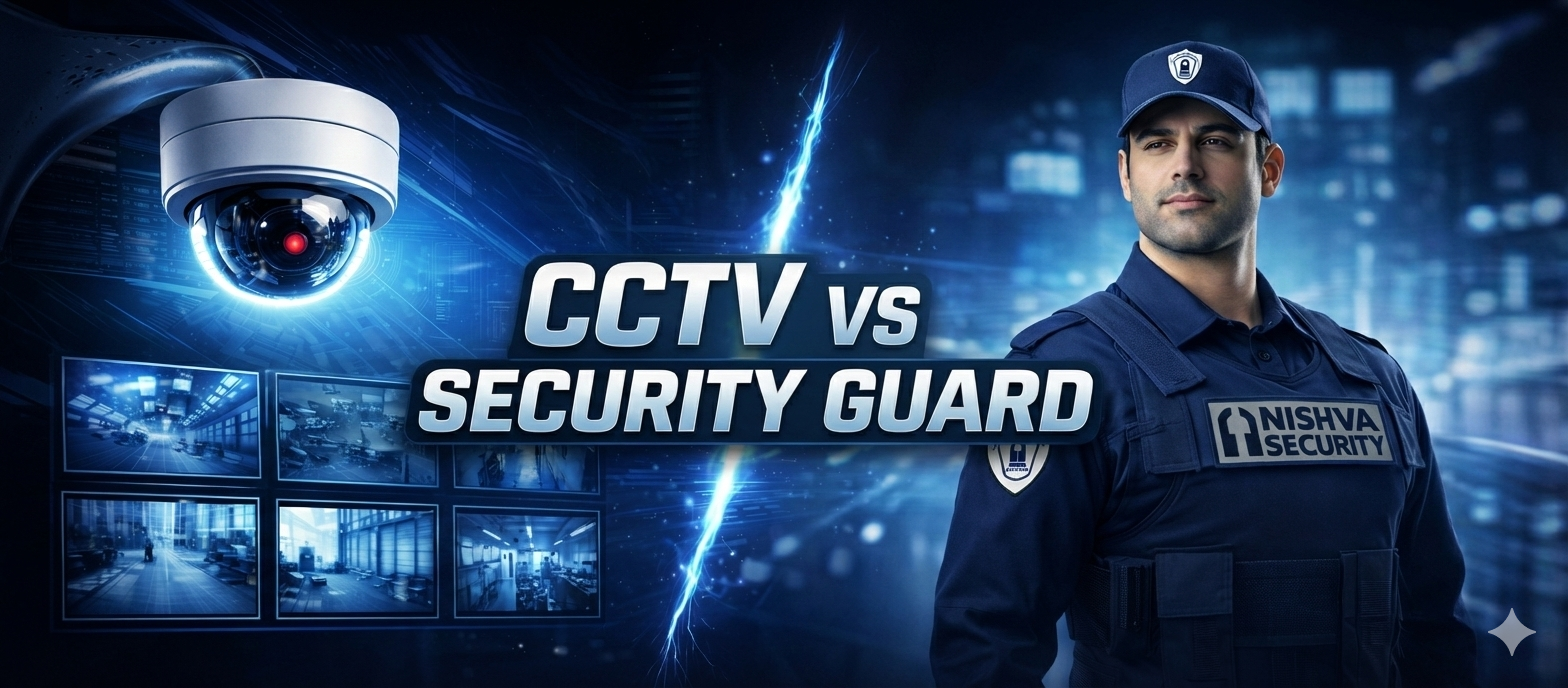
As organizations look to optimize costs and adopt smart technologies, many consider replacing physical security with CCTV-based surveillance systems. Cameras are often viewed as a modern, low-maintenance alternative to on-ground security personnel. However, while CCTV is a valuable security tool, it cannot replace physical security and more importantly, it depends on physical security to be effective.
Understanding this distinction is critical for anyone responsible for protecting people, property, and assets.
CCTV Is a Monitoring Tool, Not a Security Solution
CCTV cameras are designed to observe, record, and review incidents. They are passive by nature. A camera does not intervene, question, escort, verify, or respond. It captures evidence after an event occurs, not before or during.
Physical security, on the other hand, is proactive. Trained security personnel identify suspicious behavior, control access, respond to emergencies, and prevent incidents before escalation. This fundamental difference explains why CCTV cannot operate as a standalone replacement.
Prevention vs Documentation: The Core Difference
One of the most overlooked aspects of security planning is the difference between preventing an incident and documenting an incident.
- CCTV documents what happened
- Physical security prevents what could happen
Visible security personnel act as a powerful deterrent. Their presence alone reduces unauthorized access, theft, vandalism, and misconduct. Cameras may be noticed, but they do not create the same psychological barrier as a trained guard on-site.
Cameras Cannot Respond to Emergencies
Emergencies demand instant human judgment and action.
Consider scenarios such as:
- Fire hazards
- Medical emergencies
- Unauthorized intrusions
- Aggressive behavior
- Equipment failure
- Power outages
A camera cannot evacuate people, operate fire equipment, provide first aid, or coordinate emergency services. Physical security teams are trained for these exact situations, ensuring real-time response when seconds matter.
Technology Has Limitations Humans Adapt
CCTV systems depend on:
- Power supply
- Network connectivity
- Clear visibility
- Functional hardware
Environmental factors such as poor lighting, blind spots, weather conditions, or technical malfunctions can reduce effectiveness. Cameras also cannot interpret intent or context the way humans can.
Security personnel adapt instantly. They question irregularities, verify identities, and take preventive steps based on real-world judgment something technology alone cannot replicate.
Accountability and Access Control Require Human Oversight
Access management is not just about watching entrances. It involves:
- Verifying visitors
- Enforcing protocols
- Managing deliveries
- Handling disputes
- Maintaining logs
CCTV can record these interactions, but cannot manage them. Physical security ensures accountability through controlled access and real-time supervision, reducing internal and external risks.
The Smartest Security Model: Integration, Not Replacement
Modern security systems work best when CCTV and physical security operate together.
- Guards monitor and respond
- Cameras support visibility and evidence
- Human judgment handles uncertainty
- Technology enhances coverage
Removing physical security breaks this balance. Cameras without on-ground personnel become reactive tools rather than preventive safeguards.
Why Replacing Physical Security Creates Hidden Risks
Organizations that rely solely on CCTV often discover issues only after damage has occurred. Insurance claims, legal disputes, safety incidents, and reputational loss can far outweigh the perceived cost savings of removing security personnel.
Physical security is not an expense it is risk management.
Conclusion: Cameras Support Security They Don’t Replace It
CCTV cameras are an essential component of modern security infrastructure. However, they were never designed to replace physical security only to support it.
Physical security protects people, prevents incidents, and responds when it matters most. CCTV strengthens these efforts by providing visibility and records.
In security planning, the question should not be “CCTV or guards?”
The right question is “How do we integrate both to create a safer environment?”


